What Location Management Actually Is
Tell someone you work in film and TV locations and you'll see it happen in real time. Their eyes light up. "Oh wow, so you just... travel around finding amazing places?" Well. Yes and no.
The scouting part of the job is exactly as good as it sounds. You're out on the road, pulling over at laybys and farm tracks, building a mental map of the country one interesting stranger and unexpected view at a time. There's also the access question, which is one of the genuine perks. The job takes you places most people never get to see: private manor houses, the inner chambers of government buildings, towers with breathtaking views high above the city. Half the fun is playing detective to get there in the first place, tracking down who owns a particular patch of land, who sits on which committee, whose name is at the bottom of the deeds. And then, remarkably, most people just... let you in. On your word. Often while helpfully mentioning when they'll be in and when they won't. It's a good job I'm so honest and trustworthy. It's genuinely brilliant work and I won't pretend otherwise. But it's roughly a third of the job, if that. What comes after is where things get more complicated.
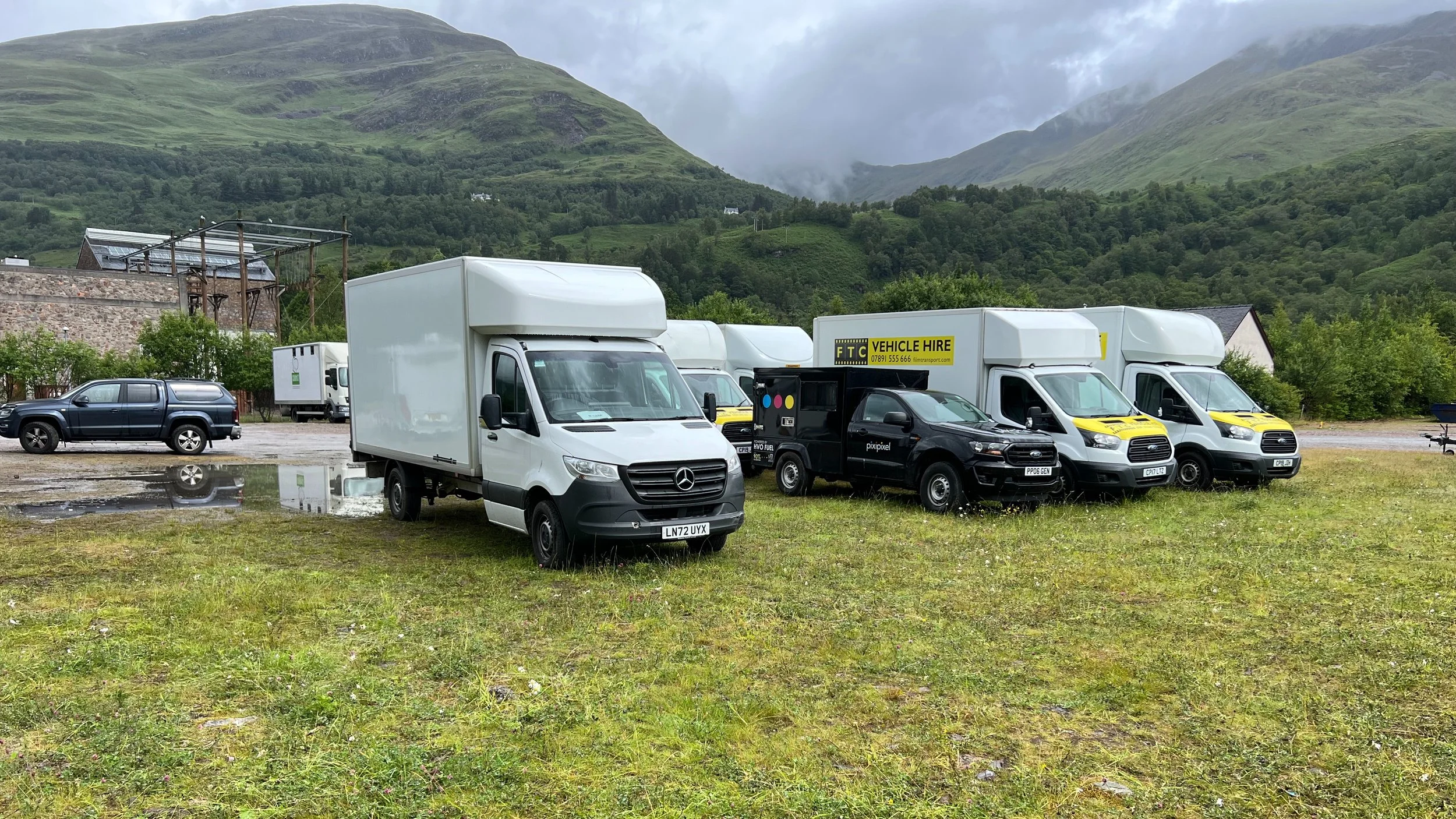
Once you've found your locations, the role shifts. Suddenly you're a negotiator, drafting agreements with landowners, talking money with farmers and estate managers and council officials, trying to find a number that works for everyone. You're also, somewhere along the way, expected to hold your own in conversations about civil engineering, planning law, arboriculture, tidal patterns and coastal access rights, conservation regulations, the archaeological significance of a particular patch of ground, and – for reasons that remain unclear – hold a working knowledge of ancient Aramaic history and cryptology. You learn to absorb this stuff fast, or at least to act like you have. Next you become a logistics coordinator, mapping out unit bases, arranging parking for forty-odd trucks and sometimes hundreds of cars, organising equipment access, drawing up site plans. Then you're a compliance officer, obtaining permits from local authorities, liaising with police, notifying residents, ticking every box before a camera is anywhere near the place. Then, finally, somewhere in there, you're also dealing with the bins. And the toilets.
O, the toilets.
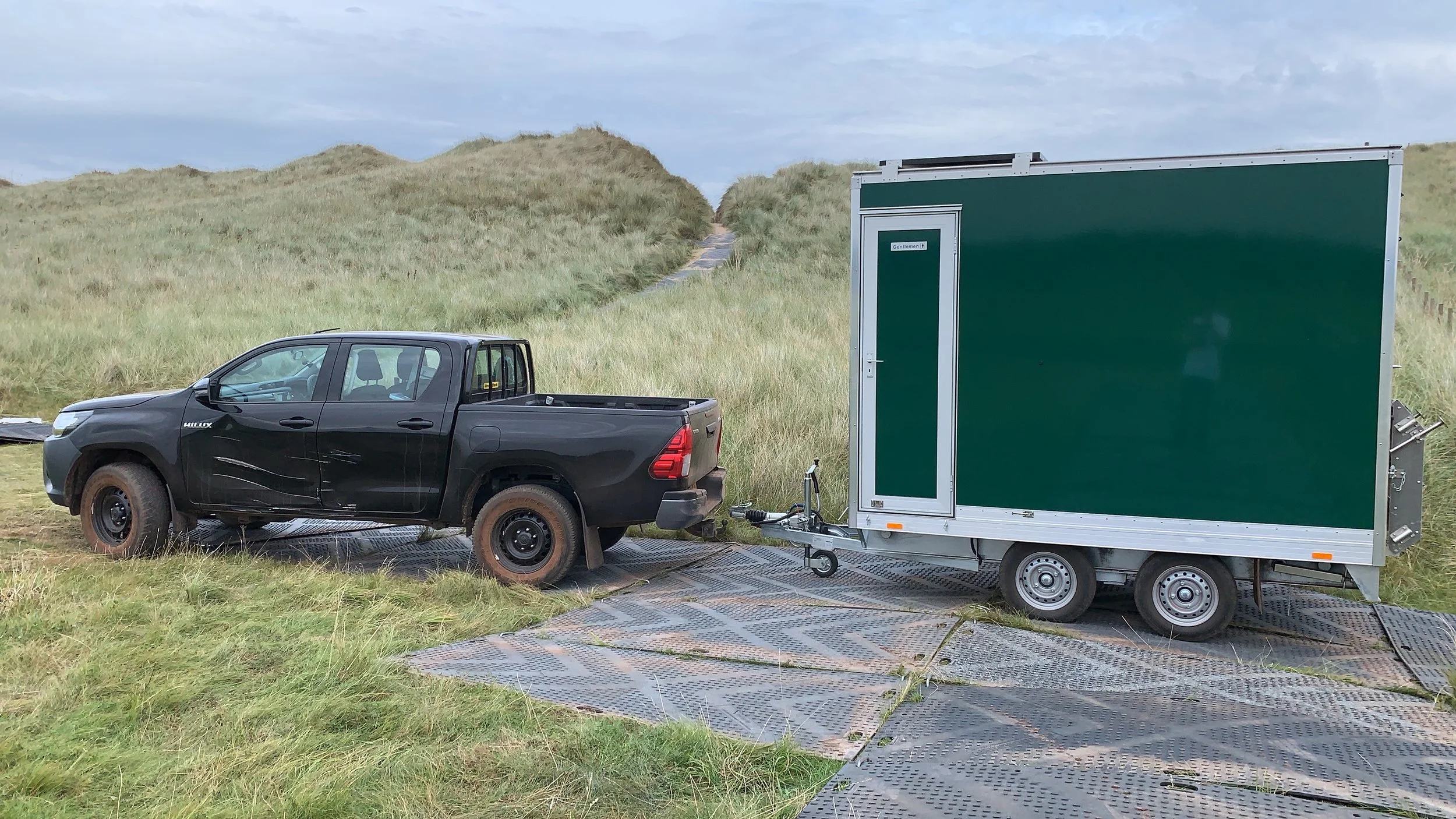
On larger productions, we use what are rather sweetly known as ‘honeywagons’ – essentially luxury toilet trailers, which sounds grand until one gets blocked, which they do, regularly, because people treat them exactly as you'd expect people to treat a toilet they don't own. When that happens, someone has to deal with it. That someone is usually the most junior member of the locations team, armed with what is known, with a mixture of affection and dread, as the shitty stick. Sometimes a broom handle, sometimes – if you're shooting in the wilds – a branch or twig sourced from the nearest hedgerow. Every location manager worth their salt has, at some point in their career, either wielded the stick themselves or dispatched someone else to do so. It is a rite of passage. It is not glamorous. It is very much part of the job.
The other thing nobody tells you about is the arc of your status over the course of a production. During the scouting phase, you're practically joined at the hip with the director and the DOP. Long days on the road together, dinners at the end of them, the easy camaraderie of a small team working towards something. You know each other's coffee orders. You finish each other's sentences about what the perfect location looks like.
Then the tech recce arrives and suddenly there are forty people where there were four. More departments, more heads of department, more opinions. Oh, they still need you alright. For now. Someone’s got to find a way to convince the pensioner neighbour to let them position a 10,000kW lamp in their back bedroom for a week, after all.
By the time the shoot itself rolls around, the director has a full entourage and approximately eight hundred things on their mind, none of which are you. I'm not crying. It's just been raining on my face.
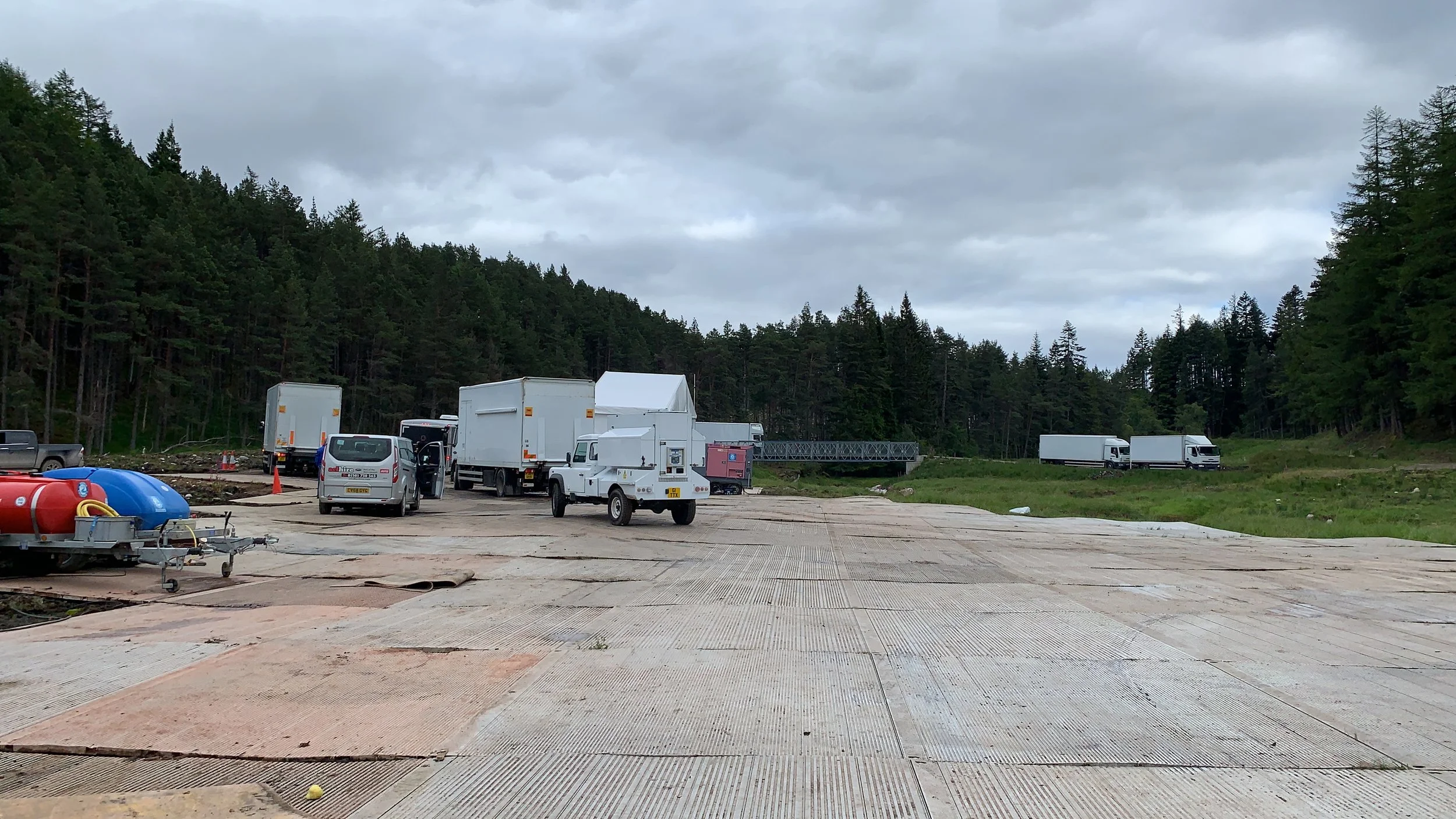
You, meanwhile, are standing in a rain-soaked temporary car park at six in the morning, egg running down your chin, half-eaten breakfast roll in one hand, walkie-talkie in the other, wearing what can only be described as a functional disguise – hat pulled down, three jackets, waterproof trousers, wellies, pockets distended with tools and tape and bits of signage and a flask and a map and a contract you need to chase someone to sign. You look like a man who has given up on the concept of appearance, which is partly by necessity and partly, let's be honest, because nobody is looking at you anyway.
The silver car pulls up. The director steps out, immaculate, fresh from the good hotel, wearing the kind of effortlessly expensive outdoor gear that suggests they've never actually been outdoors in anger… hang on where was that gear on the recce? How come you had to drive the bus right to the end of the pier? They walk straight past you without a flicker of recognition.
You wave them through to set. They nod vaguely at a point somewhere above your left shoulder.
This is fine. This is the job. You were never in it for the glory.
Though it would be nice, occasionally, to be in it for a slightly better breakfast roll.