Scotland's Bigger Picture
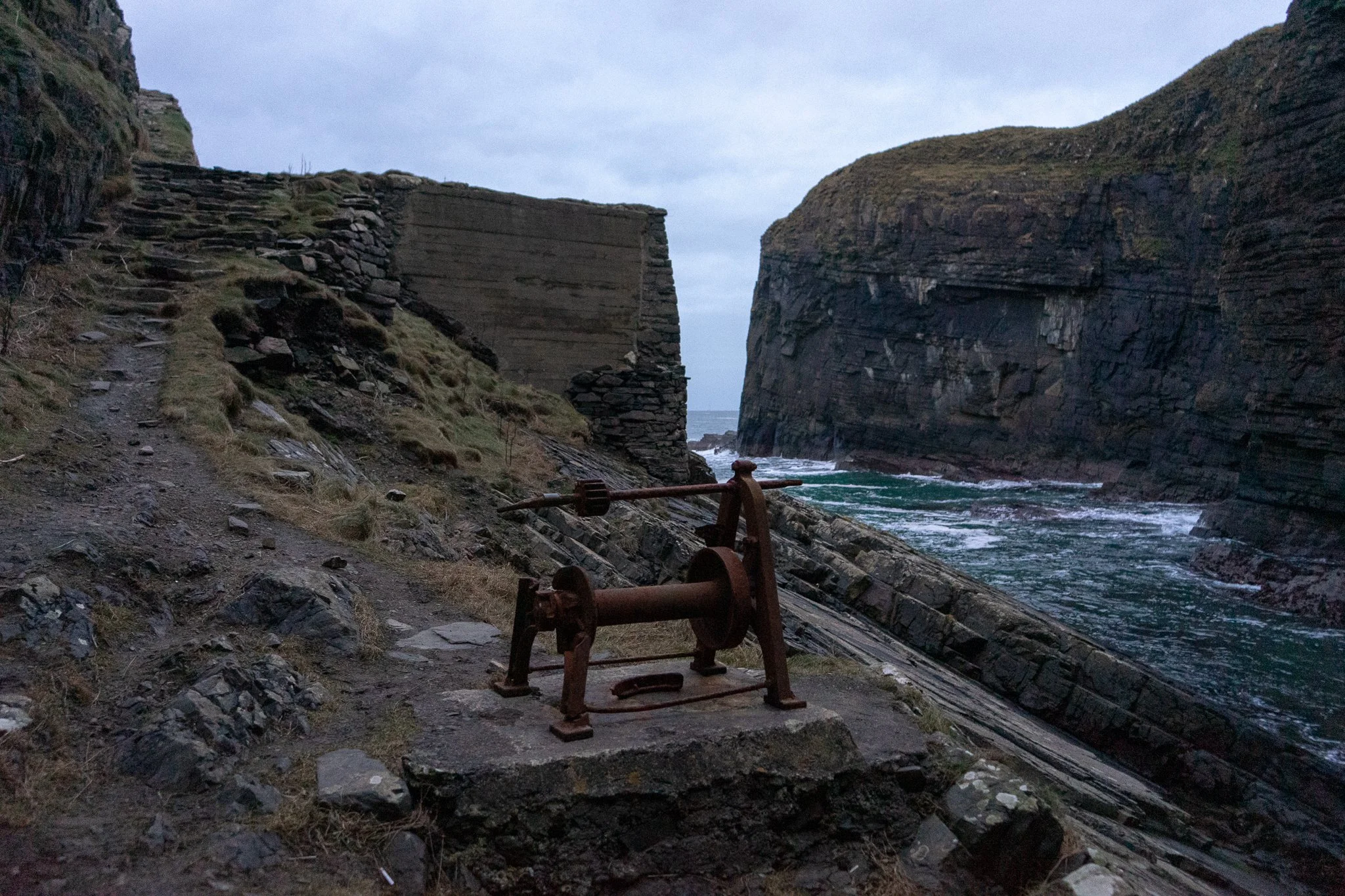
Scotland's Bigger Picture
There's an unwritten rule in Scottish film and TV production: stay within an hour of Glasgow or Edinburgh. Preferably less. It actually is written down fairly often, in briefing emails from producers – but you feel it too in the early conversations on almost every project, that gentle gravitational pull back towards the central belt, the slight unease when locations start appearing on the map that require an overnight stay.
I understand it. I do. Crew are based in Glasgow and Edinburgh. Kit hire companies, studios, production offices – all of it is anchored to those two cities. Every mile you move away from them adds cost, complexity and time. For a smaller budget production, that calculus can be genuinely prohibitive, and I'm not going to pretend otherwise.
But Scotland is a big small country, and a lot of it barely gets looked at.
Take Inverness. It has an airport with direct flights from London, decent rail connections, and sits within reasonable reach of some of the most cinematically varied landscape in Europe. The coast north towards the Black Isle and Dornoch is quietly stunning – not the dramatic, rocky west coast that productions tend to reach for, but something more subtle and interesting for it. Head east along the Moray coast towards the fishing villages of Buckie, Cullen and Portknockie and you're in genuinely distinctive territory. Whisky Galore was filmed along that stretch, and it's easy to see why – there's a texture there, a working coastal character, that's hard to manufacture anywhere else.
Then there's the eastern side of the Cairngorms, which tends to get overlooked in favour of the more familiar highland postcard on the other side. It's a different landscape entirely – ancient forest, moorland, a quality of light that feels almost Scandinavian at times. Interesting, versatile, and not yet worn smooth by overuse.
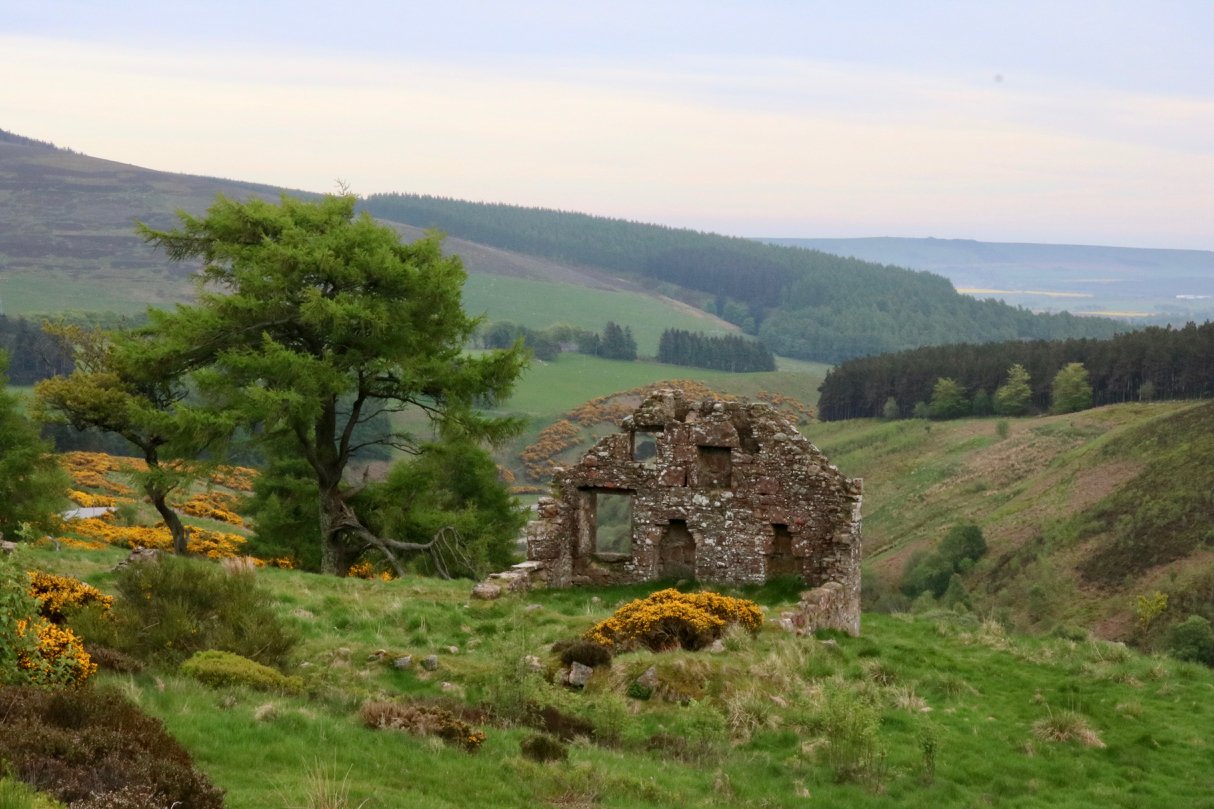
Cairn o’ Mount, on the eastern edge of the Grampians
The doubling question is worth addressing, because it's complicated. Finding a location close to Glasgow that can convincingly stand in for somewhere more remote is genuinely satisfying when it works – there's a craft to it, and it solves real logistical problems. The old back road between Largs and Greenock gets used regularly for island doubling, and fair enough, it earns it. You can absolutely tell the Campsies from Sutherland if you know what you're looking at, but plenty of audiences don't, and that's fine.
What's less fine is when the geography stops making sense altogether. A recent example involved a production with a highland storyline where the remote village in question appeared to be a comfortable couple of hours from Edinburgh, and didn't look particularly highland or remote either. The Scottish audience clocks that immediately – not out of pedantry, but because place matters to a story. Treat locations as interchangeable backdrops and the narrative starts to feel unmoored, even if viewers can't quite put their finger on why.
The solution isn't always to travel further and spend more overall. But there's a reasonable case for shifting where in the budget that money goes. A bit more at the scouting stage – an extra day on the road, an overnight or two – can surface locations that do the job properly first time. That saves it elsewhere: in the production design budget trying to dress a location into something it isn't, in the edit trying to cut around the bits that don't convince, or in the quiet embarrassment of hoping the audience doesn't look too closely.
They usually do.
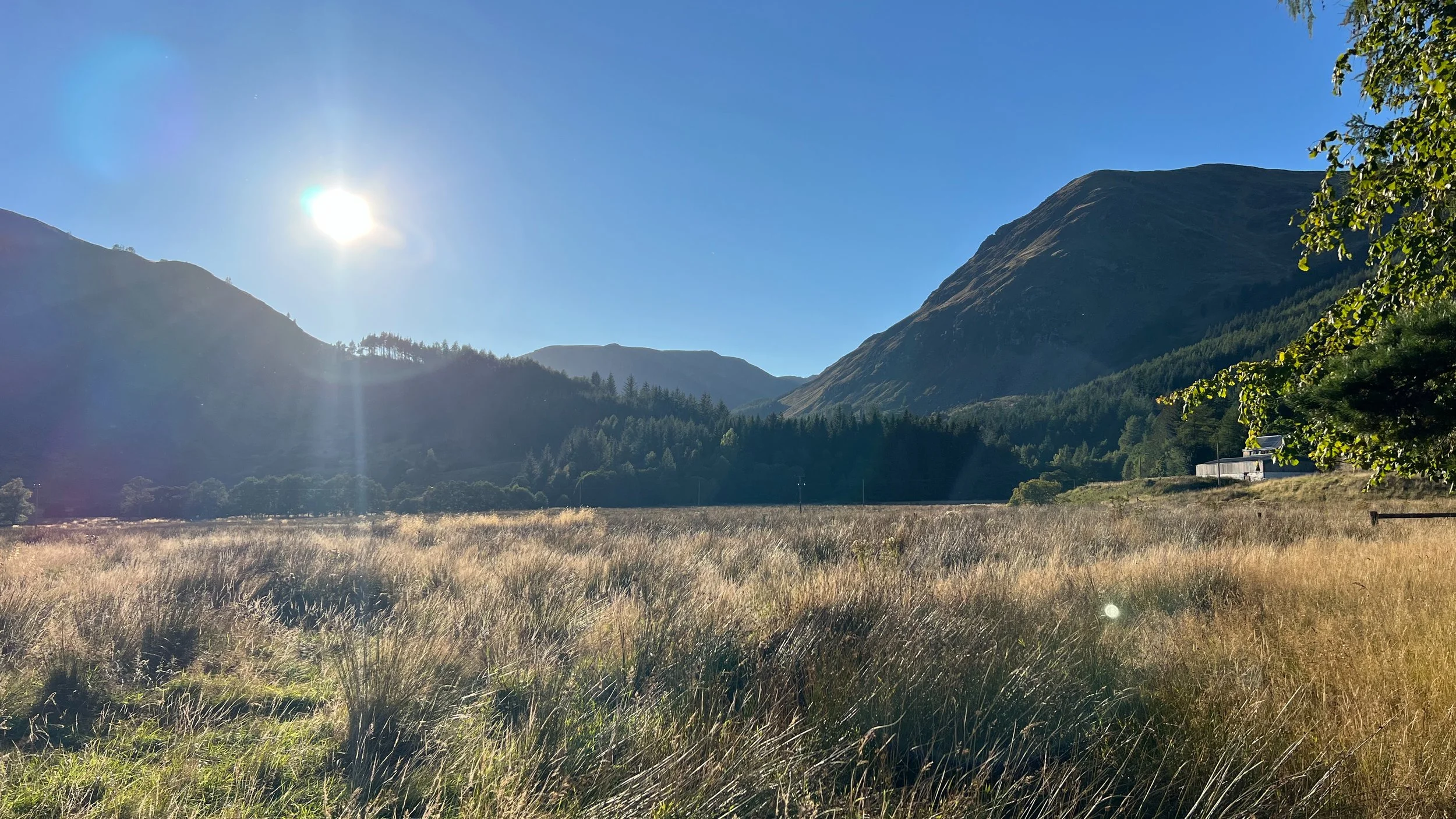
Glen Clova, Angus